
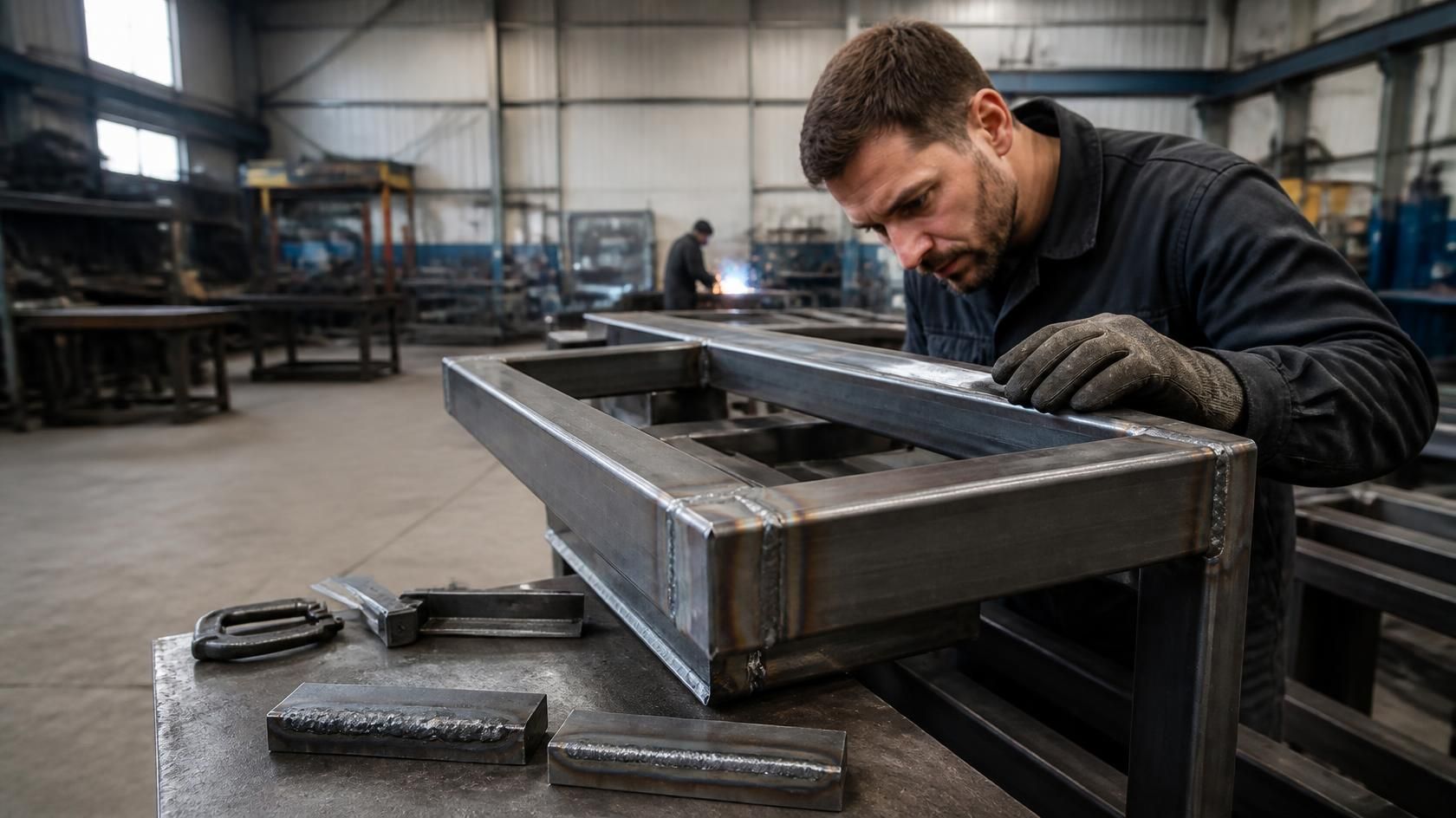
Welding is one of the most important processes in modern metal fabrication. From structural components and industrial equipment to architectural elements, welded joints help determine the strength, durability, and reliability of a finished product. However, poor welding quality can create serious problems that affect project performance, safety, appearance, and long-term costs.
For businesses looking for reliable metal fabrication services in the UAE, understanding the impact of poor welding can help them make better decisions when selecting a fabrication partner. Working with an experienced metal coating company such as Al Asriah Metal Coating Company LLC can also help businesses protect fabricated metal components against corrosion and environmental damage.
What Causes Poor Welding Quality?
Poor welding quality can result from several factors, including inadequate preparation, incorrect welding parameters, contaminated surfaces, unsuitable filler materials, and insufficiently trained welders. Environmental conditions can also influence welding performance.
Common welding defects include:
- Porosity caused by trapped gas
- Cracks in or around the weld
- Undercutting along the joint
- Incomplete penetration
- Slag inclusions
- Excessive spatter
- Uneven or inconsistent weld profiles
Even defects that appear minor during fabrication can become significant problems when components are exposed to continuous loads or harsh operating conditions.
How Poor Welding Affects Structural Strength
The primary purpose of many welded joints is to transfer loads between metal components. If a weld has insufficient penetration or contains cracks and inclusions, its ability to withstand these loads can be reduced.
Over time, repeated stress and vibration can cause defective welds to deteriorate further. In structural or industrial applications, this may result in premature failure, costly repairs, or replacement of fabricated components.
Professional metal fabrication services therefore require appropriate welding procedures, skilled workmanship, dimensional checks, and quality inspections throughout the fabrication process.
Increased Risk of Corrosion
Welding can change the surface characteristics of metals and may create areas that require appropriate protection. Poorly executed welds can leave irregular surfaces, crevices, or defects where moisture and contaminants can accumulate.
This is particularly important in the UAE, where fabricated metal components may be exposed to heat, humidity, dust, and coastal environments. Without suitable surface protection, corrosion can gradually weaken metal components and affect their appearance.
A reliable metal coating company can provide suitable coating and finishing solutions to improve the resistance of fabricated metal surfaces against environmental exposure.
Higher Repair and Maintenance Costs
Poor welding rarely remains an isolated fabrication issue. Defective welds may require grinding, rewelding, additional inspection, coating repairs, or even replacement of the affected component.
These corrective activities increase material, labor, inspection, and downtime costs. They can also delay project completion.
Choosing experienced fabrication professionals from the beginning can reduce the likelihood of rework and help businesses maintain better control over project schedules and budgets.
Impact on Appearance and Finishing
Weld quality also affects the visual appearance of fabricated products. Uneven welds, excessive spatter, visible cracks, and poor surface preparation can make finished components look unprofessional.
This becomes especially important for architectural metalwork, visible structures, equipment enclosures, and decorative applications. Proper welding followed by appropriate surface treatment and coating can produce a cleaner and more durable finish.
Choosing the Right Metal Fabrication Partner in the UAE
Businesses should consider more than just price when selecting a fabrication provider. Important factors include welding expertise, quality-control procedures, material knowledge, fabrication capabilities, surface preparation, finishing options, and experience with UAE operating conditions.
Al Asriah Metal Coating Company LLC provides metal finishing and coating solutions designed to support the durability and appearance of fabricated metal components. Combining quality fabrication practices with appropriate surface protection can help businesses achieve longer-lasting results.
Conclusion
Poor welding quality can affect much more than the appearance of a fabricated component. It can compromise structural performance, increase corrosion risks, create additional maintenance costs, cause project delays, and reduce service life.
For reliable results, businesses should work with experienced providers of metal fabrication services and partner with a professional metal coating company for suitable surface protection. Contact us today to discuss your metal fabrication, coating, and finishing requirements in the UAE.
Frequently Asked Questions
1. Why is welding quality important in metal fabrication?
Welding quality directly affects the strength, durability, safety, and appearance of fabricated metal components. Poor welds can lead to defects, premature deterioration, and costly repairs.
2. What are common welding defects?
Common defects include cracks, porosity, undercutting, incomplete penetration, slag inclusions, excessive spatter, and inconsistent weld profiles.
3. Can coating protect poorly welded metal?
Coating can provide protection against corrosion and environmental exposure, but it cannot correct fundamental welding defects. Welding quality should be addressed before surface preparation and coating.
4. How can UAE businesses improve the durability of fabricated metal?
Businesses can improve durability by selecting experienced metal fabrication services, using appropriate welding procedures, conducting quality inspections, and applying suitable protective coatings through a qualified metal coating company.