
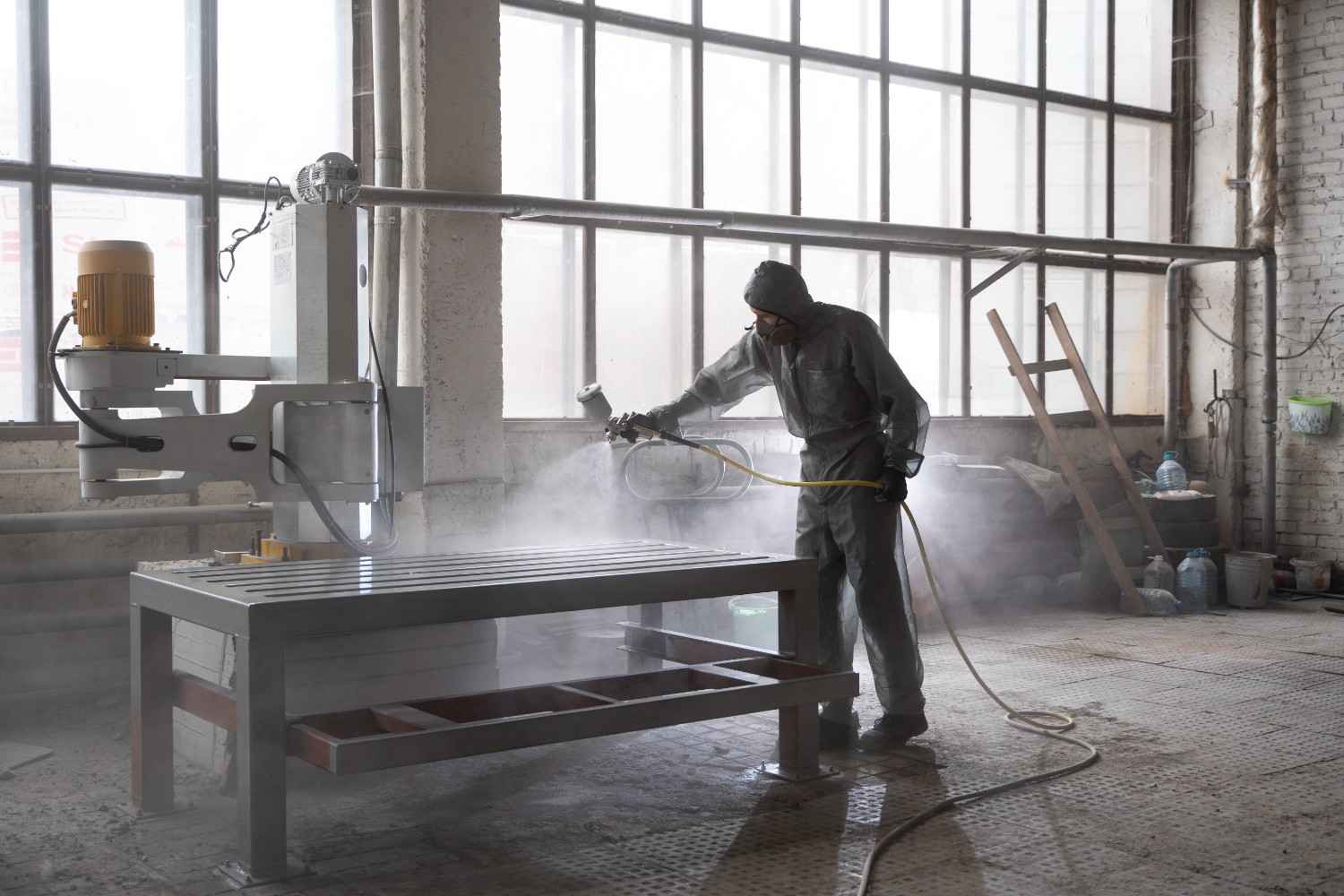
In the aerospace industry, every component is pushed to its limits—extreme temperatures, high-speed friction, corrosion at high altitudes, and constant pressure changes. Without proper protection, even the most advanced aircraft parts would degrade rapidly, leading to safety risks and expensive maintenance cycles.
This is where a Metal Coating Company plays a crucial role. Advanced metal coatings are engineered to enhance durability, reduce wear and tear, and significantly extend the lifespan of aerospace components. In this blog, we explore how aerospace companies use these cutting-edge coatings to improve performance, safety, and cost efficiency—especially in high-demand regions like the UAE.
Why Metal Coatings Matter in Aerospace Engineering
Aircraft components are exposed to some of the harshest operating conditions imaginable. According to aerospace maintenance studies, nearly 30–40% of aircraft maintenance costs are linked to corrosion and surface degradation.
A professional Metal Coating Company helps reduce these issues by applying protective layers that act as a barrier against the following:
- Oxidation and corrosion
- Friction and mechanical wear
- Thermal stress and heat damage
- Chemical exposure (fuel, hydraulic fluids, salt air)
By using advanced coatings, aerospace companies can reduce part replacement frequency by up to 50%, improving both safety and operational efficiency.
Key Types of Advanced Metal Coatings Used in Aerospace
1. Thermal Spray Coatings
Thermal spray technology applies molten or semi-molten materials onto metal surfaces. These coatings are widely used on turbine blades and engine parts due to their ability to withstand extreme heat.
- Temperature resistance: up to 1,200°C in some applications
- Improves surface hardness and fatigue resistance
2. PVD (Physical Vapor Deposition) Coatings
PVD coatings are applied in a vacuum environment, producing ultra-thin but highly durable layers.
- Reduces friction in moving components
- Enhances resistance to micro-abrasion
- Common in landing gear systems and fasteners
3. Anodizing
Anodizing is especially used for aluminum aircraft parts. It increases natural oxide layers, making surfaces more corrosion-resistant.
- Improves corrosion resistance by up to 10x compared to untreated aluminum
- Provides better paint adhesion and durability
4. Ceramic Coatings
Ceramic-based coatings are gaining popularity for their thermal insulation properties.
- Protects engine components from heat damage
- Reduces thermal fatigue and cracking
- Extends engine life significantly
How Aerospace Companies Benefit from Metal Coating Technology
Working with a specialized Metal Coating Company gives aerospace manufacturers multiple advantages:
Enhanced Component Lifespan
Coated components last significantly longer under high-stress conditions, reducing downtime and replacement costs.
Improved Fuel Efficiency
Smoother surfaces reduce aerodynamic drag and internal friction, leading to measurable fuel savings—some studies show improvements of 2–5% in fuel efficiency.
Increased Safety Standards
Stronger, more reliable components reduce the risk of mechanical failure, which is critical in aviation safety compliance.
Reduced Maintenance Cycles
Aircraft with advanced coatings require fewer inspections and repairs, lowering operational disruptions.
Aerospace Coatings in the UAE Context
The UAE is a major aviation hub, home to some of the world’s busiest airlines and maintenance facilities. With extreme desert conditions—high temperatures, sand abrasion, and humidity near coastal zones—metal protection becomes even more critical.
A reliable Metal Coating Company in the UAE helps aerospace operators combat the following:
- Sand erosion on turbine and compressor blades
- Salt-induced corrosion in coastal airports
- Heat stress from extreme summer temperatures exceeding 45°C
This makes advanced coating technologies not just beneficial, but essential for regional aviation reliability.
Future Trends in Aerospace Metal Coatings
The aerospace coating industry is evolving rapidly. Some emerging innovations include:
- Nanocoatings for ultra-thin, self-healing protection
- Smart coatings that detect corrosion early
- Eco-friendly coatings with reduced toxic emissions
- AI-driven coating quality control for precision applications
These advancements are expected to reduce aircraft lifecycle costs by an additional 15–20% over the next decade.
Conclusion
Advanced metal coatings are no longer optional in aerospace—they are a critical engineering necessity. From reducing corrosion and wear to improving fuel efficiency and safety, the role of a Metal Coating Company is central to modern aviation success.
For aerospace operators and manufacturers in the UAE seeking long-term performance, durability, and cost efficiency, partnering with the right coating experts is a strategic investment.
Al Asriah Metal Coating Company LLC continues to support industries with advanced coating solutions designed to withstand the toughest operating environments while ensuring superior performance and reliability.